

What Happens When You Turn 18 on the NDIS
Feb 24, 2026
Read more
If your NDIS funding request has been declined, you’re not alone. Many rejections are based on technical criteria, not lack of need. Learn what to do next.
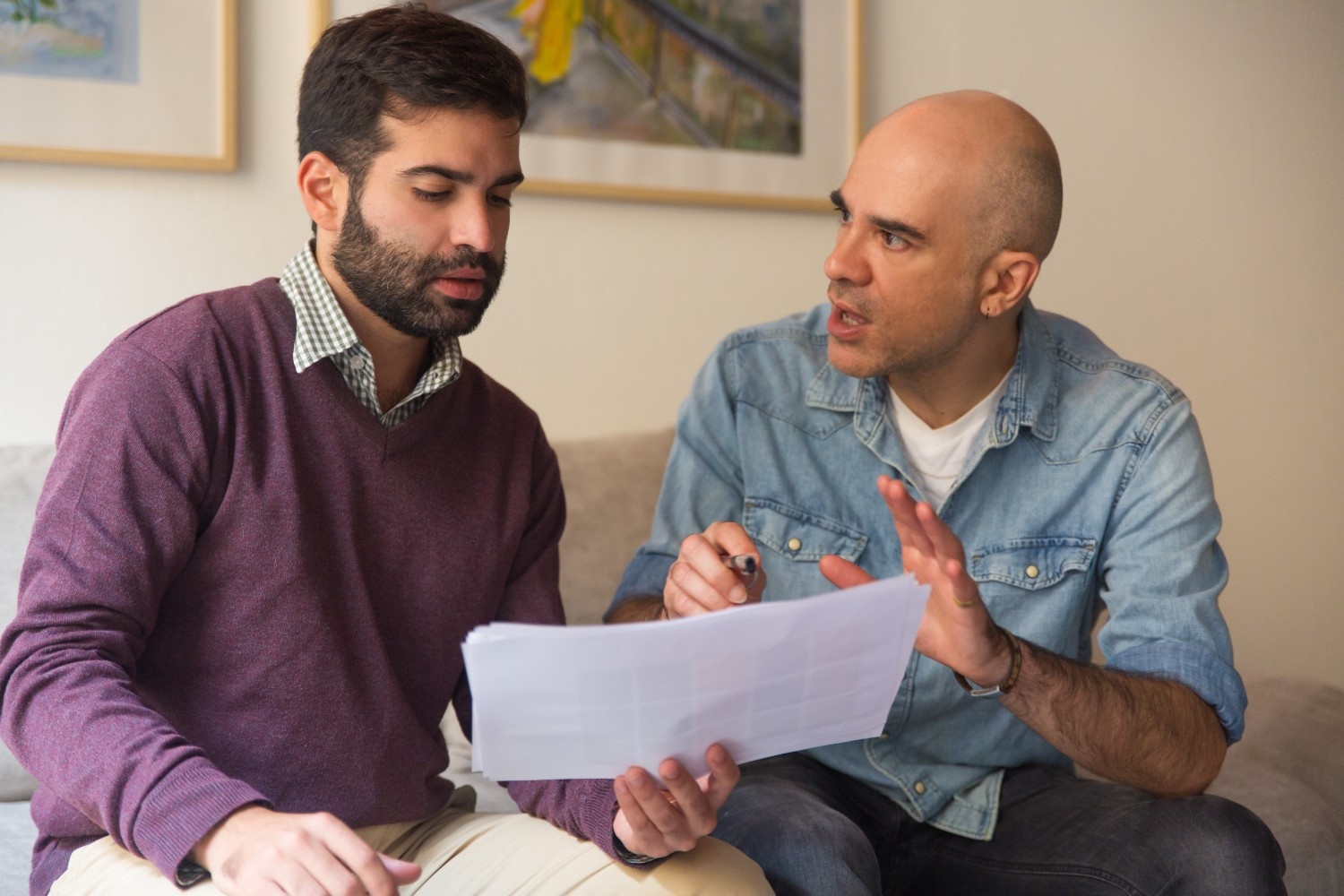
Having your NDIS funding request declined can feel frustrating, confusing, and even overwhelming.
You’ve gathered reports. You’ve explained your needs. You believed the support was necessary and then the NDIA says no.
If this has happened to you, you’re not alone. Funding decisions are often based on technical criteria that aren’t always clearly explained to participants and families.
The good news? A rejection is not the end of the road.
Here’s what you need to know and what you can do next.
Before responding, it’s important to understand why requests are declined.
Most funding rejections fall under one of these reasons:
Often, it isn’t that the support isn’t needed, it’s that the justification wasn’t presented in the way the NDIA requires.
The NDIA must provide written reasons for declining a support.
Read this letter carefully.
Look for:
Understanding the exact reasoning is critical before taking further steps.
Many funding requests are rejected because documentation doesn’t clearly demonstrate:
For example, saying someone “struggles at home” is not enough.
The NDIA looks for:
Stronger evidence often changes outcomes.
If you believe the decision was incorrect, you have the right to request an Internal Review of a Decision (IRD).
You must usually do this within 3 months of receiving the decision.
During an internal review:
Before submitting for review, consider:
The stronger the evidence, the stronger the case. It’s about alignment with the NDIS legislation.
If the internal review still results in a decline, participants can apply to the Administrative Appeals Tribunal (AAT).
This is a more formal process and may require advocacy support or legal guidance.
Many matters, however, are resolved at the internal review stage when properly documented.
One of the biggest issues we see is participants accepting a decline without challenging it.
If a support is genuinely necessary for safety, independence, or stability it should be properly reviewed.
Navigating funding disputes requires experience, documentation strategy, and clear communication.
At Pathway Links, we:
Our role is to ensure your supports are presented clearly, confidently, and in alignment with NDIS criteria.
Because the right support can change daily life and it deserves to be considered properly.
If your funding has been declined and you’re unsure what to do next, reach out to Pathway Links. We’re here to help you move forward with clarity and confidence.


.jpg)
